
When it comes to landscaping, bricks are the unsung heroes that can elevate a plain garden into a stunning sanctuary. Think about it: those humble little blocks can do everything from forming borders to creating inviting pathways. Plus, they bring a touch of timeless elegance while being surprisingly durable. Who wouldn’t want their yard to look like something out of a magazine? So, let’s explore the varieties, benefits, and design ideas that will help anyone make the most of these versatile landscaping elements.
Benefits Of Using Bricks In Landscaping
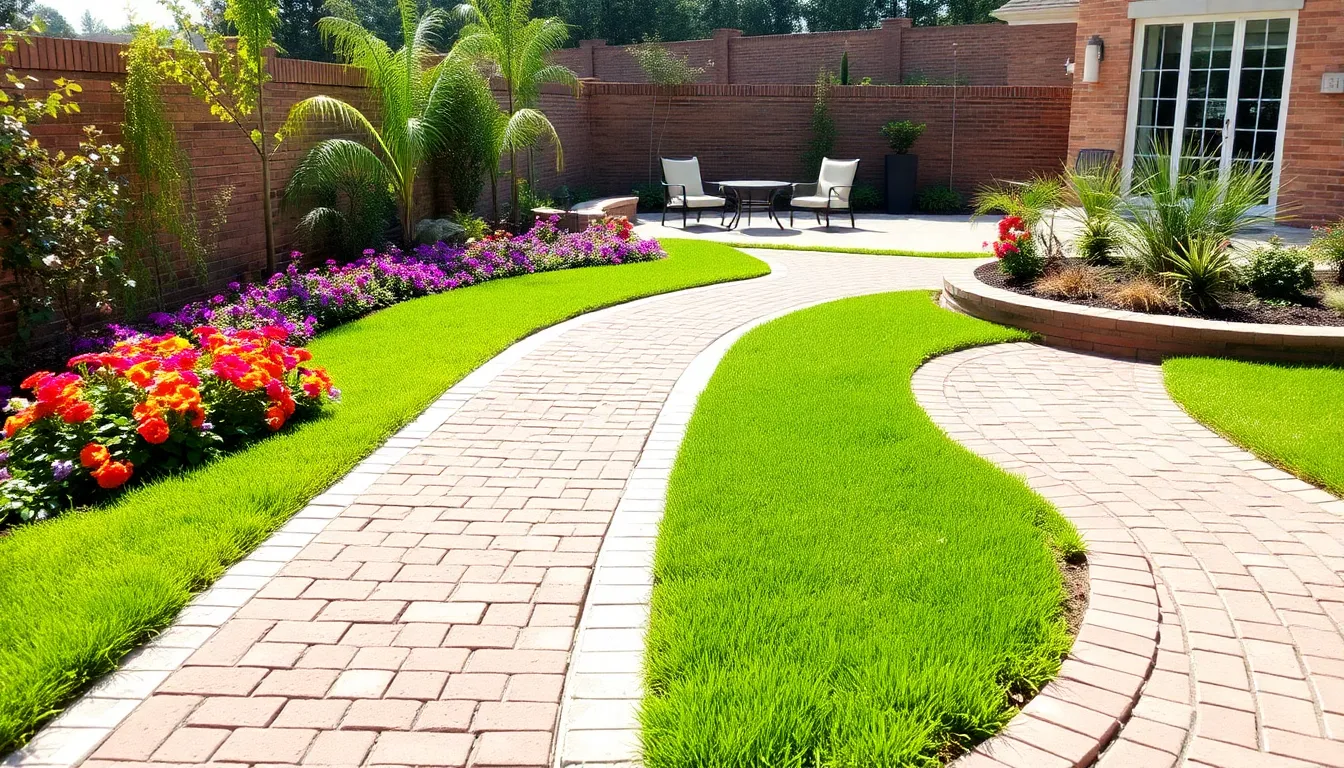
Using bricks in landscaping provides a multitude of benefits that go beyond mere aesthetics. To start, bricks are incredibly durable, able to withstand various weather conditions without losing their charm. Unlike wood, which can warp or rot, bricks offer a long-lasting solution that homeowners can rely on. They are also low-maintenance. A quick rinse or occasional sweeping is usually all it takes to keep them looking fresh.
Besides, bricks come in various colors, sizes, and textures, making them incredibly versatile. This flexibility allows for creative freedom in design choices. Homeowners can mix and match to create unique patterns or stick to a cohesive look that complements the surrounding environment.
Also, bricks provide excellent drainage. Their porous nature allows water to flow freely, reducing the risk of puddles and mud in the garden. This not only promotes healthy plant growth but also keeps walkways safe and dry. With all these advantages, it’s easy to see why more people are choosing bricks for their landscaping projects.
Types Of Landscaping Bricks
When it comes to landscaping bricks, not all are created equal. There are several types tailored for various needs and styles:
- Clay Bricks: These are the classic choice and often seen in traditional designs. They come in natural colors, providing a rustic feel that many find charming.
- Concrete Bricks: For those on a budget, concrete bricks are affordable and can be made in different colors and sizes, offering a modern twist without sacrificing function.
- Paving Bricks: Ideal for driveways and paths, paving bricks offer durability while still being visually appealing. They are designed to withstand heavy traffic.
- Retaining Wall Bricks: Specifically designed for structural use, these bricks can help create beautiful garden walls that also serve to prevent soil erosion.
- Decorative Bricks: These bricks often come in eye-catching patterns and colors and can serve as focal points or accents in landscaping designs.
By understanding the different types, homeowners can make informed choices that best suit their landscaping needs.
Design Ideas Using Landscaping Bricks
Bricks aren’t just functional: they can also transform the entire look of a yard. Here are several design ideas that can inspire anyone to incorporate bricks into their landscaping:
- Garden Pathways: Create meandering paths with bricks that guide guests through flower beds and gardens. Vary the arrangement for a more casual vibe or opt for a uniform layout for elegance.
- Patio Spaces: Building a patio with bricks provides a solid surface for outdoor furniture while allowing for a seamless transition from inside to outside. Plus, it’s great for entertaining.
- Raised Flower Beds: Use retaining wall bricks to build elevated flower beds. This adds dimension to the landscape and allows for better visibility of flowers.
- Fire Pits: A brick fire pit can become the centerpiece of any backyard gathering. It combines functionality with a warm, inviting aesthetic.
- Edging: Use bricks as edging along garden beds, pathways, or lawns. This not only delineates spaces but also adds a polished finish.
Each of these ideas showcases how bricks can contribute both beauty and practicality to outdoor spaces, proving they’re not just building materials but also artistic tools.
Installation Tips For Landscaping Bricks
Installing landscaping bricks is an accessible DIY project that can yield impressive results. Here are some simple tips to make the process smoother:
- Plan Your Layout: Before laying any bricks, sketch out the design. This helps visualize the end product and ensures efficient planning.
- Prepare the Site: Clear the area of grass and debris. Level the soil to create a stable foundation, which is crucial for longevity.
- Use Sand: Spread a layer of sand to create a bed for the bricks. This helps with drainage and allows for minor adjustments during installation.
- Lay the Bricks: Start placing the bricks according to your design. Use a rubber mallet for firm placement and adjust as needed.
- Fill in Joints: Once all bricks are laid, fill the joints with sand or mortar, depending on the chosen style. This enhances stability and adds a polished touch.
- Finishing Touches: Consider using a sealant for added protection and to enhance color, particularly for outdoor installations.
With these tips, installing bricks for landscaping can be straightforward and satisfying.
Maintenance And Care For Landscaping Bricks
Maintaining landscaping bricks is relatively simple, making them a favorite for busy homeowners. Regular upkeep can prolong their life and ensure they look their best.
- Cleaning: For day-to-day maintenance, a broom or leaf blower can remove debris. For stubborn stains, a mixture of water and mild detergent usually does the trick. Avoid harsh chemicals that can damage the brick’s surface.
- Weed Control: Weeds love to sneak through brick joints. A regular weeding session will keep the area tidy, though you might consider mulching the surrounding soil to suppress weed growth.
- Regrouting: Over time, mortar between bricks may wear down. Filling in the joints as needed will help maintain structural integrity and appearance.
- Inspect Regularly: Check for any displaced bricks or cracks. Addressing these issues promptly can prevent larger problems later on.
Following these maintenance tips will keep bricks looking fresh for years to come.
Cost Considerations For Landscaping Bricks
Investing in landscaping bricks can vary significantly based on several factors, making initial budgeting essential:
- Material Costs: Prices vary depending on the brick type (clay, concrete, decorative). Generally, expect to pay between $0.50 to $3.00 per brick, depending on the quality and style.
- Installation Costs: If hiring professionals, labor costs can add another $5 to $15 per square foot. DIY enthusiasts can save on this, but it’s wise to factor in time and tools.
- Design Complexity: Simple designs will be less expensive than complex patterns requiring more bricks and intricate cuts. Planning efficiently can help keep costs in check.
- Long-term Value: While upfront costs may seem high, durable bricks can reduce maintenance expenses over time, eventually providing excellent value.
Understanding these cost considerations helps homeowners budget effectively while still achieving the landscaping look they desire.