
If you’ve ever strolled through a garden and marveled at the beauty of Japanese maples, you’re not alone. These plants are the celebrities of the landscaping world, but have you met their charming little sibling, the dwarf Japanese maple? With their delicate leaves and stunning colors, they can elevate any outdoor space with a sprinkle of elegance. Join us on this leafy adventure as we explore everything from ideal growing conditions to perfect companions that will make your dwarf Japanese maple the star of the show. Get ready: it’s time to turn your garden into a picturesque landscape.
Understanding Dwarf Japanese Maples
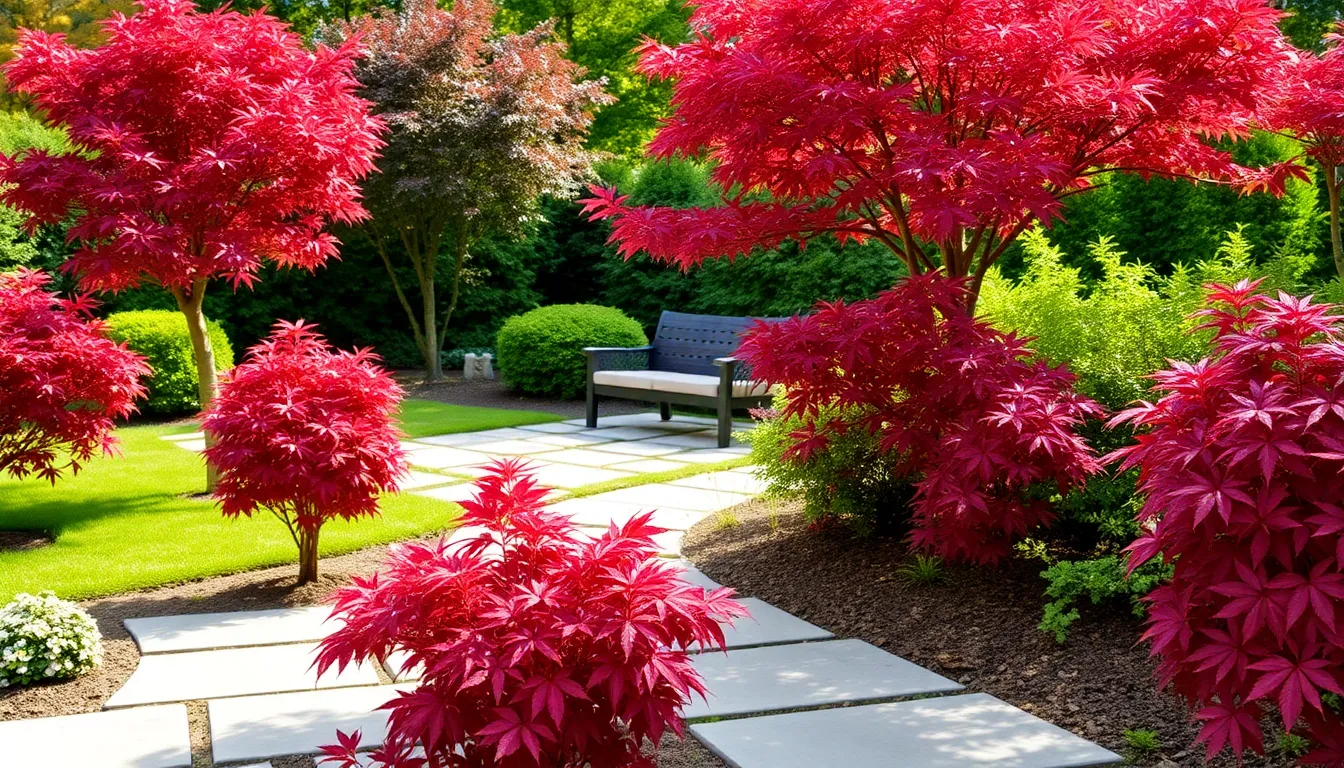
Dwarf Japanese maples, or Acer palmatum, are a beloved choice among gardeners and landscapers alike. Characterized by their stunning, intricately lobed leaves, these trees are not just pretty faces. They come with a variety of forms, each offering something special.
Characteristics and Varieties
Dwarf varieties typically stay under five feet tall, making them suitable for small gardens or as standout focal points in larger spaces. Some popular varieties include ‘Shaina,’ known for its brilliant crimson foliage, and ‘Green Mace,’ which features a more unusual, cascading growth habit. These trees bring seasonal interest, as their colors transform from deep greens in summer to fiery reds in fall. Each variety has its own charm, ensuring there’s a perfect fit for every taste.
Ideal Growing Conditions
To thrive, dwarf Japanese maples need particular care. Get it right, and these trees will reward you with breathtaking beauty.
Soil Requirements and pH Levels
The key to success lies in the soil. Dwarf Japanese maples prefer well-drained, loamy soil that’s rich in organic matter. Aim for a pH level between 5.5 and 7 for optimal growth. Too acidic or alkaline, and your beloved maple might not show its true colors. Incorporate compost to boost nutrient levels, and make sure the soil isn’t too compacted.
Sunlight and Watering Needs
These maples enjoy partial shade, especially during the hottest parts of the day. But, some varieties can handle full sun, so it’s crucial to consult specific care instructions. Keeping the soil consistently moist but not soggy is essential. A deep watering once a week should suffice, allowing the roots to flourish without drowning.
Designing with Dwarf Japanese Maples
Incorporating dwarf Japanese maples into your landscape design can add layers of sophistication, color, and texture.
Placement in the Landscape
Consider placing a dwarf Japanese maple as a focal point in a rock garden or as an accent near a water feature. Their graceful form and delicate foliage create eye-catching silhouettes against the sky. Placing them near pathways offers a gentle reminder of nature’s beauty. Just remember, good access to sunlight and space to grow is key.
Companion Planting Ideas
When it comes to companion planting, think complementary structures and colors. Combine them with low-growing groundcovers like Irish moss or creeping thyme, which will encircle the base beautifully without overshadowing the maple. Also, flowering plants like hostas or astilbes can provide delightful contrasts, enhancing the overall visual appeal.
Seasonal Care and Maintenance
Maintaining the health of a dwarf Japanese maple involves a few seasonally-timed tasks that any dedicated gardener can tackle.
Pruning Techniques
Pruning is crucial, especially for shaping and encouraging air circulation. Late winter or early spring is the best time for this job. Avoid heavy pruning: instead, focus on removing any dead or crossing branches. This will help maintain a clean structure and enhance the tree’s natural form.
Fertilization Recommendations
Fertilizing should be done cautiously. Applying a balanced, slow-release fertilizer in early spring can provide essential nutrients as the tree begins its growing season. Be sure to follow the manufacturer’s instructions, as too much can lead to unhealthy growth or even harm the tree.
Common Pests and Diseases
As beautiful as they are, dwarf Japanese maples can attract a few unwelcome guests or experience specific health issues.
Prevention and Control Strategies
Aphids and spider mites are common culprits. Regular inspections and keeping the area tidy can help prevent infestations. In case of an outbreak, using insecticidal soap can effectively combat these pests. As for diseases, powdery mildew can be an issue, especially in humid conditions. Providing good air circulation and avoiding overhead watering can help mitigate this risk.