
Imagine lounging under the sun, a cool drink in hand, surrounded by the perfect outdoor furniture that makes you feel like you’re on a perpetual vacation. Sounds dreamy, right? But before throwing your hard-earned cash into a pile of questionable patio chairs, let’s talk about outdoor furniture materials. The choices are plenty, and picking the right one can mean the difference between enjoying your backyard oasis and battling constant repairs or replacements. This guide will break down everything you need to know about outdoor furniture materials so that you can sit back, relax, and actually enjoy your outdoor space without constantly worrying if your chairs will collapse under you like a poorly built IKEA assembly. Let’s immerse.
Types of Outdoor Furniture Materials
1. Wood: Natural Beauty and Durability
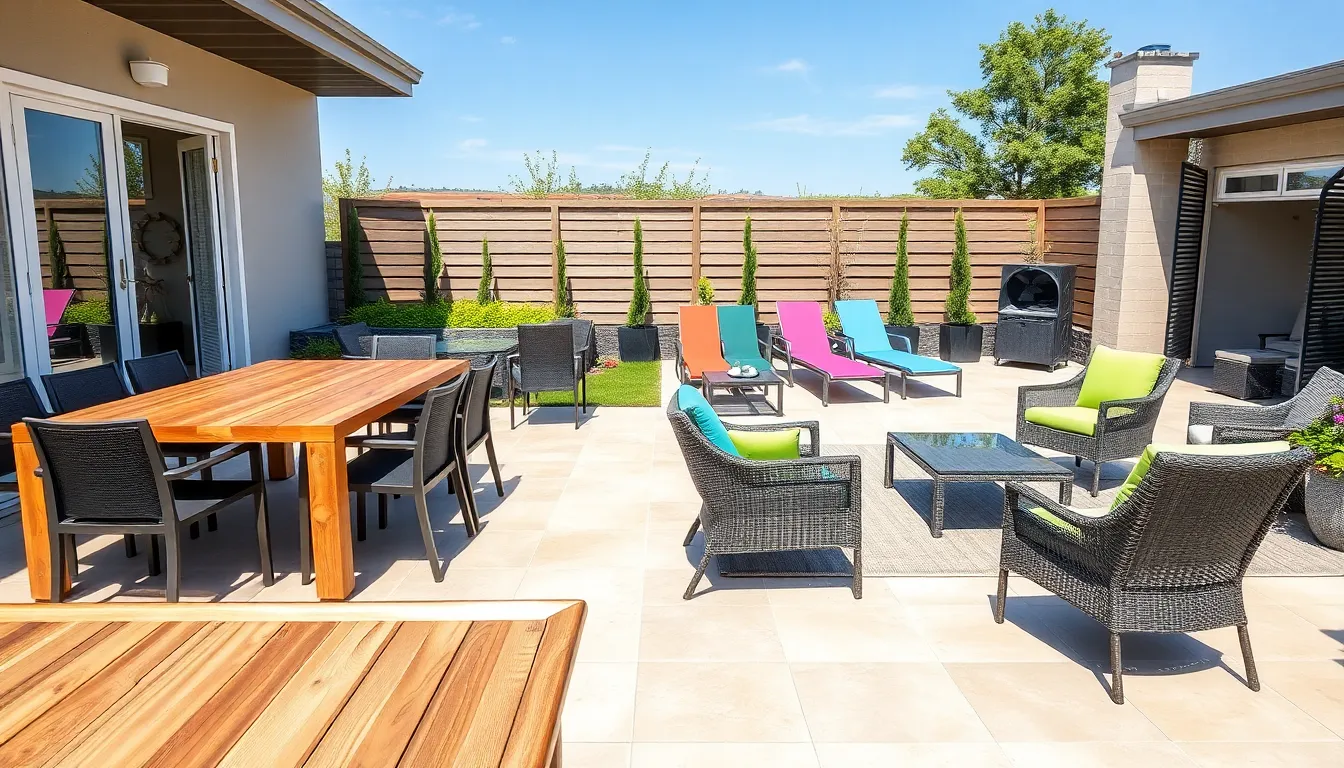
Wood is often the go-to choice for outdoor furniture, and for good reason. It offers a timeless aesthetic that can complement any patio design. Teak, cedar, and eucalyptus are popular because they not only look great but also withstand the test of time. Teak is renowned for its resistance to water, insects, and decay, meaning it can last decades. But, maintenance is key. A good sealant can help retain that gorgeous golden hue and keep splintering at bay.
2. Metal: Strength and Modern Style
When it comes to metal outdoor furniture, aluminum and wrought iron are heavyweights. Aluminum is lightweight and resistant to rust, making it easy to rearrange your setup whenever the mood strikes. On the other hand, wrought iron adds a bit of classic elegance, though it might weigh you down in rearranging efforts. Both materials often come with powder-coated finishes, providing a durable layer that resists chipping and fading, so they’re ready to face whatever Mother Nature throws at them.
3. Plastic: Versatile and Lightweight
You might think plastic outdoor furniture is flimsy, but modern designs using high-density polyethylene (HDPE) can give you the resilience you need. It’s lightweight, easy to clean, and resistant to fading, making it a highly functional option for families or areas with unpredictable weather. Plus, these pieces often come in a range of colors and styles, allowing for flexibility in matching your outdoor decor.
4. Wicker and Rattan: Classic Appeal
For those looking to create a cozy, inviting atmosphere, wicker and rattan provide an aesthetic that’s hard to beat. Traditionally made from natural fibers, these materials are lightweight and easy to work with, though they do sometimes require more care and aren’t always ideal for harsh weather conditions. Luckily, synthetic rattan has come into play, offering the look without the maintenance hassle.
Factors to Consider When Choosing Outdoor Furniture Materials
1. Weather Resistance and Durability
When investing in outdoor furniture, consider how different materials react to fluctuating climates. Wood requires treatment for moisture resistance, while metals can rust without proper coatings. Plastic holds up well, but may not feel as luxurious. Assess your local weather conditions to make an informed choice.
2. Maintenance Requirements
Different materials come with different upkeep needs. Wood often requires regular staining or sealing, whereas metal needs minimal maintenance. Plastic furniture simply requires a quick wipe-down. Consider how much time you are willing to spend maintaining your outdoor furniture versus enjoying it.
3. Aesthetic Considerations
Think about your outdoor space’s design and vibe. Comprehensive visual harmony can elevate the entire area. Whether rustic, modern, or coastal, each material carries its personal aesthetic vibe. Don’t hesitate to mix and match: just ensure they complement each other.
4. Comfort and Ergonomics
Choosing outdoor furniture isn’t just about visuals: comfort is crucial too. High-quality materials should provide ergonomic support and comfort for long-term use. Look for cushions, armrests, and seat depth to enhance your relaxing time outdoors.
Sustainable Outdoor Furniture Material Options
1. Recycled Materials
As eco-consciousness continues to rise, many manufacturers now produce outdoor furniture using recycled materials. From repurposed aluminum to composite wood made of recycled plastics, these options offer durability without compromising the environment. Plus, they often have a contemporary aesthetic that can elevate your outdoor space.
2. Sustainably Sourced Wood
Choosing sustainably sourced wood can have a long-lasting impact on the environment. Look for certifications like FSC (Forest Stewardship Council) to ensure that your furniture is crafted from responsibly managed forests. This helps preserve biodiversity and decrease overall environmental impact.
3. Eco-Friendly Finishes
When selecting outdoor furniture, it’s essential to look for eco-friendly finishes. Many manufacturers now offer treatments that are free from harmful chemicals, ensuring a safer environment for everyone. These finishes also help protect furniture from the elements.
Tips for Caring for Outdoor Furniture Based on Material
1. Cleansing and Maintenance
When it comes to cleaning outdoor furniture, a gentle soap and water solution is usually the best bet, regardless of the material. For wood, consider using a soft brush to reach smaller crevices. Metal surfaces may require specific metal cleaners, while plastic can typically be cleaned with any household cleaner.
2. Protecting from the Elements
Covering furniture during harsh weather conditions can prolong its lifespan. Utilizing furniture covers or storing pieces indoors during inclement weather significantly reduces potential damage. If your furniture is made of wood, consider investing in UV-blocking treatments to prevent sun damage.