
When it comes to landscaping, few plants can rival the beauty and aroma of gardenias. These flowering shrubs don’t just sit pretty: they bring a whole new level of elegance to any yard. If you’ve ever wondered how to elevate your garden and impress your neighbors (while basking in the sweet scent of your flowers), look no further. This guide dives into captivating gardenia landscaping ideas that will keep everyone buzzing. Let’s plant the seeds of inspiration and watch your landscape bloom.
Understanding Gardenias
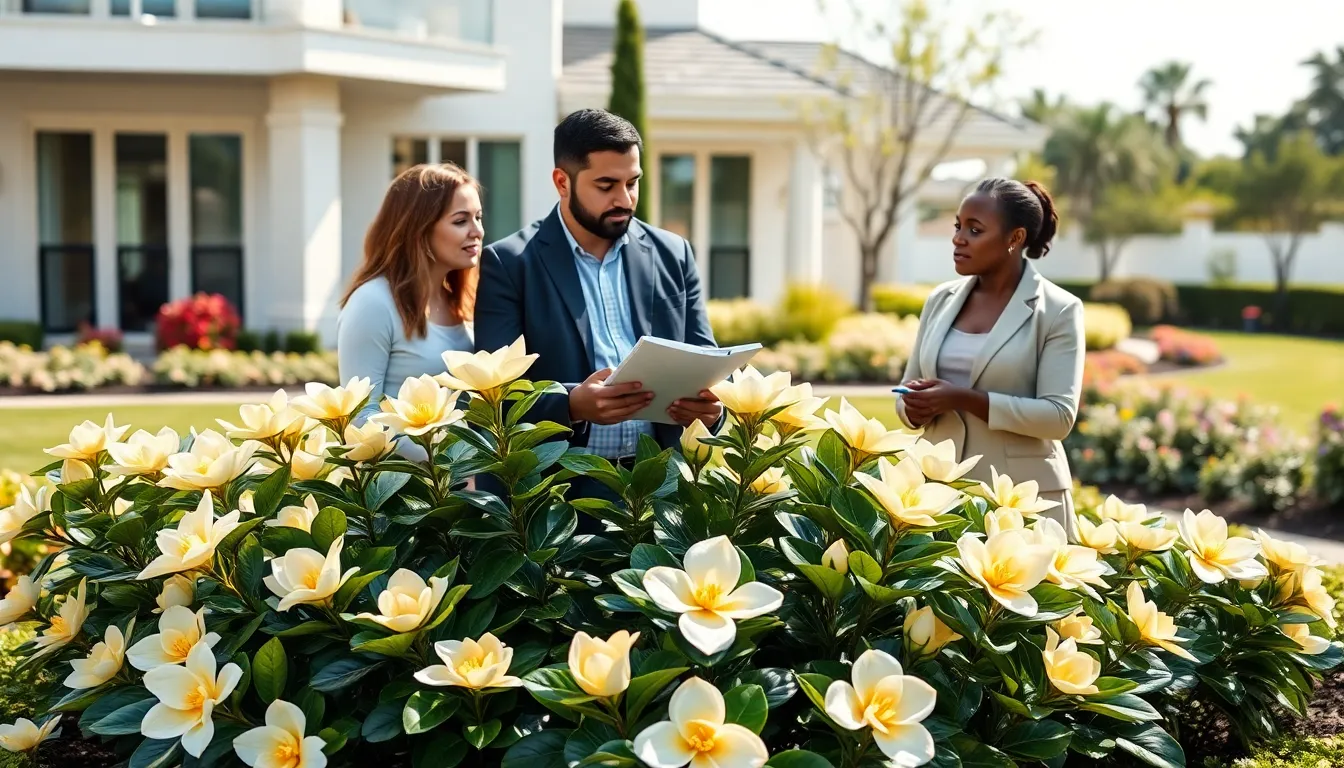
Gardenias are renowned for their stunning flowers and intoxicating fragrance, making them a favorite among gardeners. Originating from tropical and subtropical regions, these evergreen shrubs thrive in warm climates. Gardenias bloom in the late spring and summer, showcasing creamy white to bright yellow flowers, which can add charm to any landscape. With dark green, glossy leaves as a backdrop, their blooms practically steal the spotlight. But, understanding the requirements of this plant is essential for ensuring it flourishes. They prefer well-draining, acidic soil, and typically flourish in areas with bright, indirect sunlight. Too much shade can hinder their growth, while direct sunlight can scorch their leaves.
Also, gardenias are sensitive to frost, often requiring protection in cooler climates. An insider tip: plant them near warm surfaces, such as walls or paved areas, to help shield them from harsh winter temperatures.
Types of Gardenias for Landscaping
When deciding to incorporate gardenias into a landscape design, knowing the various types available is vital. The most popular varieties include the n**‘Augusta’**, a fast-growing species with large white blossoms that can reach up to 3 inches in diameter. They are perfect for creating a dramatic focal point in any garden. Another great option is the ‘Radicans,’ a smaller variety, ideal for borders or ground cover thanks to its low growth habit. This particular type offers dense foliage and sweet-smelling white blooms, adding both scent and beauty even in smaller spaces.
If you’re looking for something that offers year-round interest, consider the ‘Chuck Hayes’ gardenia, known for its hardiness and ability to withstand cooler temperatures. It’s perfect for those who want the beauty without constantly worrying about the changing seasons.
Designing a Gardenia Garden
Designing a gardenia garden requires some thoughtful planning. First, assess the available space in your yard. These plants typically grow anywhere from 2 to 8 feet tall, so it’s vital to map out their placement wisely. Grouping gardenias in clusters can create a more impactful display, allowing their combined fragrance to fill the air.
Consider pairing gardenias with other elements to enhance their beauty. Lining a pathway with pavers, interspersed with gardenias, can lead visitors through a fragrant adventure. Adding a comfortable seating area nearby allows for appreciating the views and scents. One can also incorporate water features, such as fountains or ponds, to create a tranquil ambiance. The sound of trickling water combined with the fragrance of gardenias? That sounds like paradise.
Plus, utilizing mulch around gardenias not only helps retain moisture but also adds texture and contrasts beautifully against the vibrant green leaves.
Companion Plants for Gardenias
Choosing the right companion plants for gardenias can heighten their visual appeal while benefiting the overall landscape. Consider incorporating the stunning hydrangea, which blooms effortlessly in complimentary hues. Their round clusters meld beautifully with the gardenia’s crisp petals. Another excellent companion is ferns, which thrive in similar conditions and lend an airy quality to the garden.
Adding azaleas can provide a burst of color: their vibrant blooms can contrast beautifully with gardenias’ lush greens and whites. For those looking to add fragrance, jasmine or lavender can deliver aromatic harmony, perfect for enhancing the sensory experience in a gardenia-centered layout. Just remember to ensure all companion plants share similar sunlight and watering requirements to promote their health.
Maintenance Tips for Gardenia Plantings
Like any masterpiece, regular maintenance is key to keeping gardenias looking splendid. First, be sure to regularly water them, especially during dry spells. Soil should be kept consistently moist but not soggy, think of it like a happy medium. Fertilizing once during the growing season encourages vibrant blooms and lush foliage. Opt for a fertilizer specifically formulated for acid-loving plants.
Another essential aspect of care is pruning. This should ideally take place after flowering, targeting any dead or crowded branches to encourage new growth. For winter protection, a thick layer of mulch can help insulate the roots, especially in regions prone to frost. And don’t forget to keep an eye out for pests, particularly aphids or whiteflies, which may enjoy snacking on your gardenia plants. Take prompt action if these little critters appear: a simple soap solution can do wonders.
Creative Gardenia Landscaping Ideas
Exploring creative gardenia landscaping ideas can really help to enhance your outdoor space. Imagine creating a small garden nook draped in fairy lights among gardenias, providing that cozy atmosphere perfect for evening relaxation. Utilizing gardenias as a low hedge along a pathway can create an inviting journey to your front door, merging beauty with functionality.
Consider using gardenias as a backdrop for seasonal flowers. With their evergreen nature, gardenias can provide structure and interest throughout the year, allowing you to rotate other plants in and out as seasons change.
Also, try using gardenias in container gardening. Placing pots of vibrant gardenias strategically around your patio or balcony can make every outdoor hangout feel more luxurious. Finally, combining them with sculptures or wicker furniture can lend your space a contemporary feel, proving that gardenias aren’t just traditional but also versatile.